The Gulf Coast’s Most Walkable Retail Corner Just Got a Second Act: Inside the Newly Renovated Space at Hwy 90 & Bechtel
North Biloxi’s Retail Corridor Is Having a Moment
There is a particular type of retail trade area that commercial brokers and retail site selectors prize above all others: one where a stable, high-income residential base, a major anchor tenant, institutional traffic generators, and a corridor experiencing active new development investment all exist simultaneously. These trade areas are not common. When they appear, the retailers and service operators who move decisively to establish a presence within them consistently outperform those who waited.
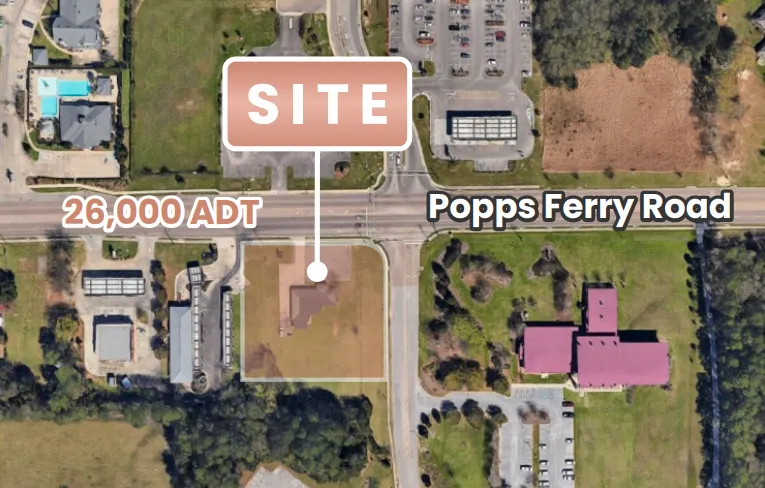
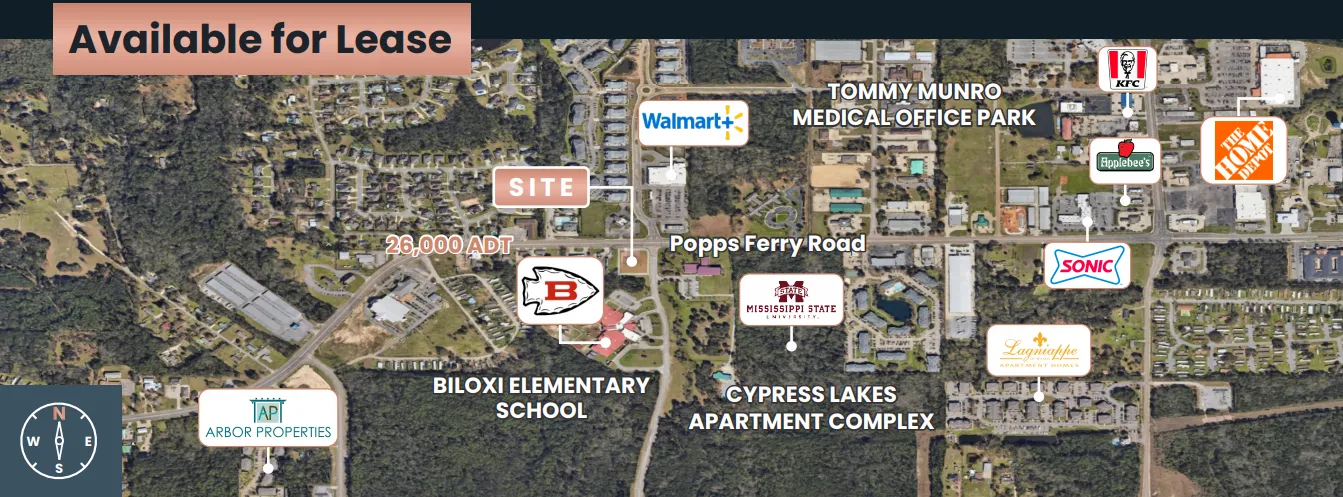
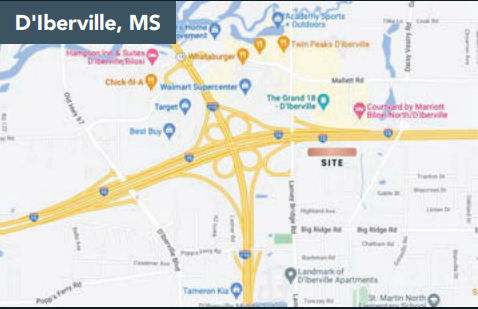
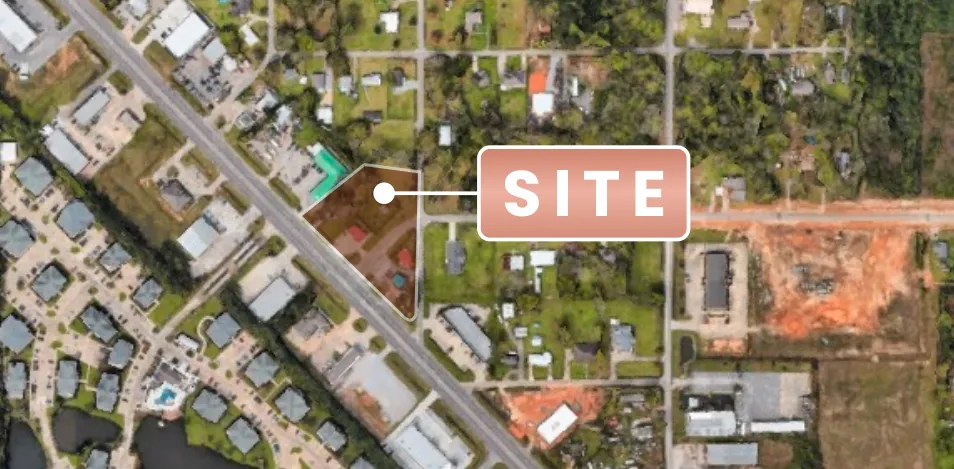
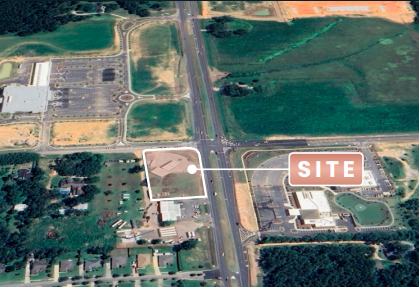
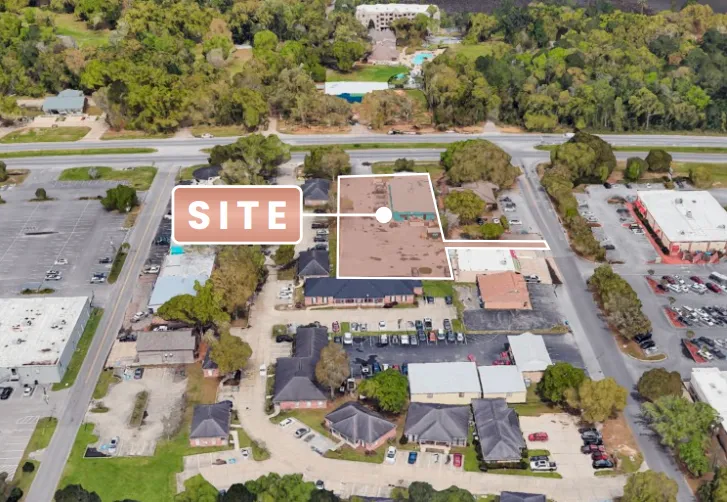
The Popps Ferry Road corridor in North Biloxi, Mississippi is exactly this type of trade area — and it is in the midst of exactly this kind of moment. New restaurant brands are entering the corridor. New self-storage facilities are under development. Medical facilities and neighborhood services are expanding. And at the center of it all, a brand-new stacked-stone strip center at 1831 Popps Ferry Road has just been delivered — offering two retail/service units at a lighted hard corner that shares its intersection directly with Walmart.
The Anchor Effect: What Sharing an Intersection with Walmart Really Means
Retail site selection professionals have long understood the concept of anchor effect — the phenomenon by which a major anchor tenant generates traffic that benefits every adjacent business in its vicinity. Walmart, with its extraordinary shopping frequency, broad demographic reach, and daily consumer traffic volumes, is one of the most powerful traffic anchors in American retail. Customers visit Walmart an average of multiple times per week. They arrive throughout the day and evening, seven days a week. And critically, they are already in a purchasing mindset when they arrive.
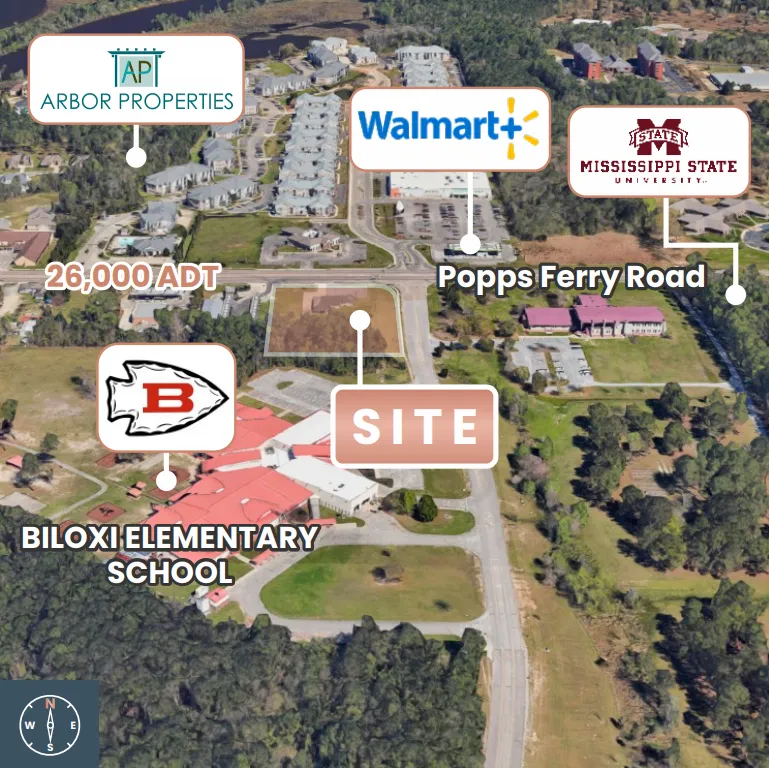
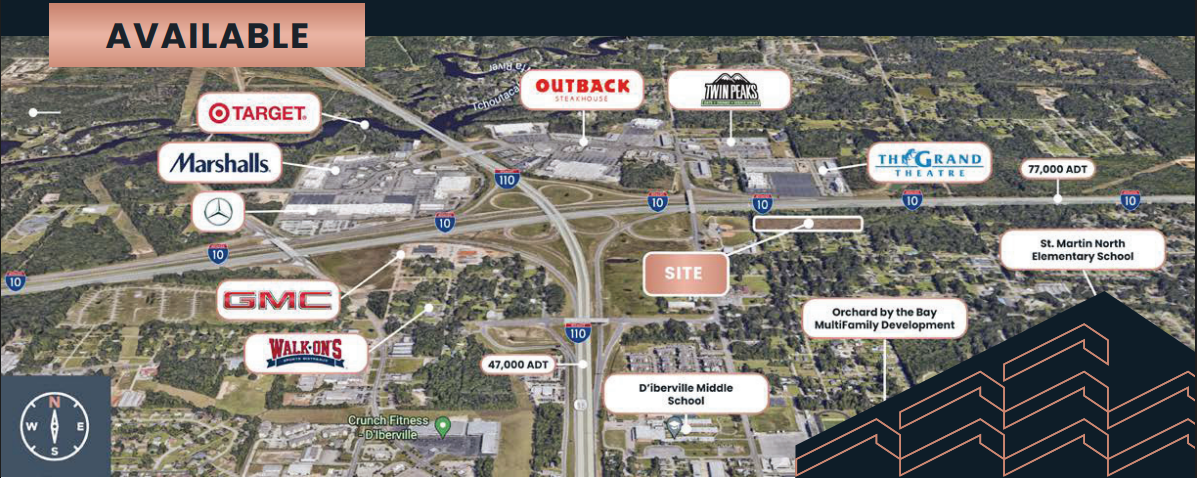
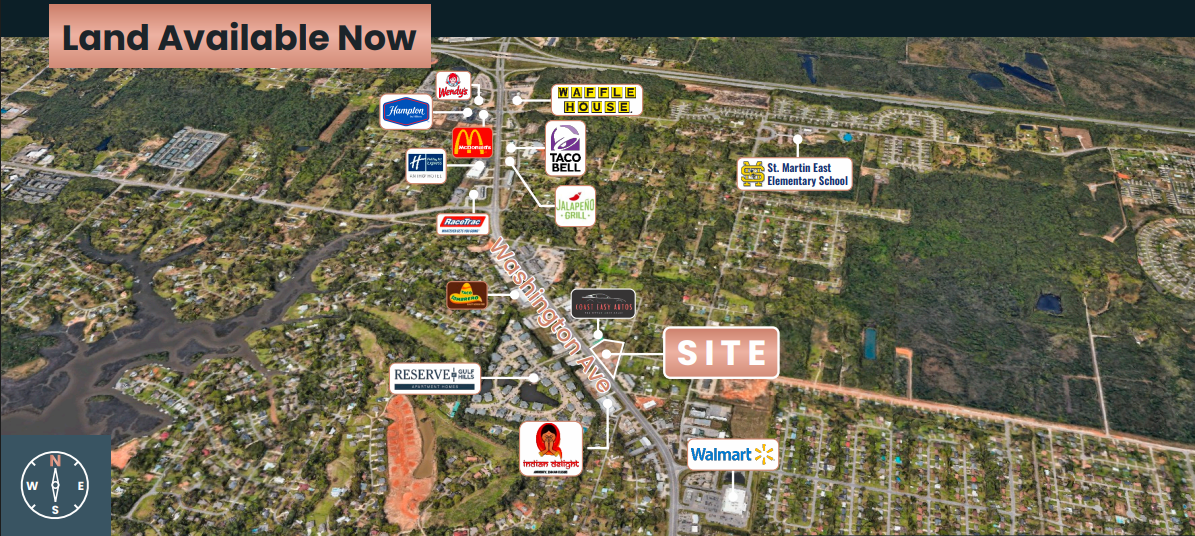
Businesses that are co-located at or immediately adjacent to a Walmart intersection benefit from this traffic in a concrete and measurable way. Customers combining errands, picking up coffee before or after a Walmart visit, getting a haircut, banking, or stopping at a pharmacy are generating incremental visits for adjacent businesses that they might not make if those businesses were located in a more isolated position. The intersection at Popps Ferry Road and Indian Drive is a Walmart intersection — and 1831 Popps Ferry Road sits right at it.
For a new retail or service tenant evaluating this location, the Walmart adjacency is not a soft benefit. It is a baseline traffic guarantee that underpins the revenue projections for virtually any consumer-facing business model. Quick-service restaurants, personal care services, financial services kiosks, urgent care or dental practices, cell phone retailers, tutoring centers, and neighborhood office users all benefit directly and immediately from the consumer traffic that Walmart generates at this intersection every single day.
The School Campus: A Traffic Generator of Extraordinary Scale
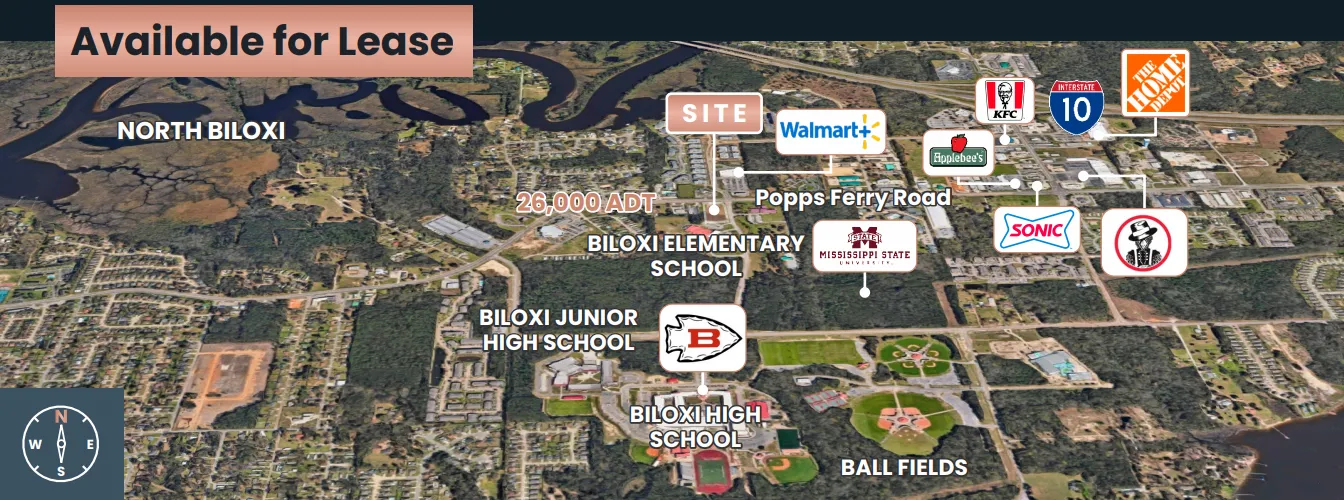
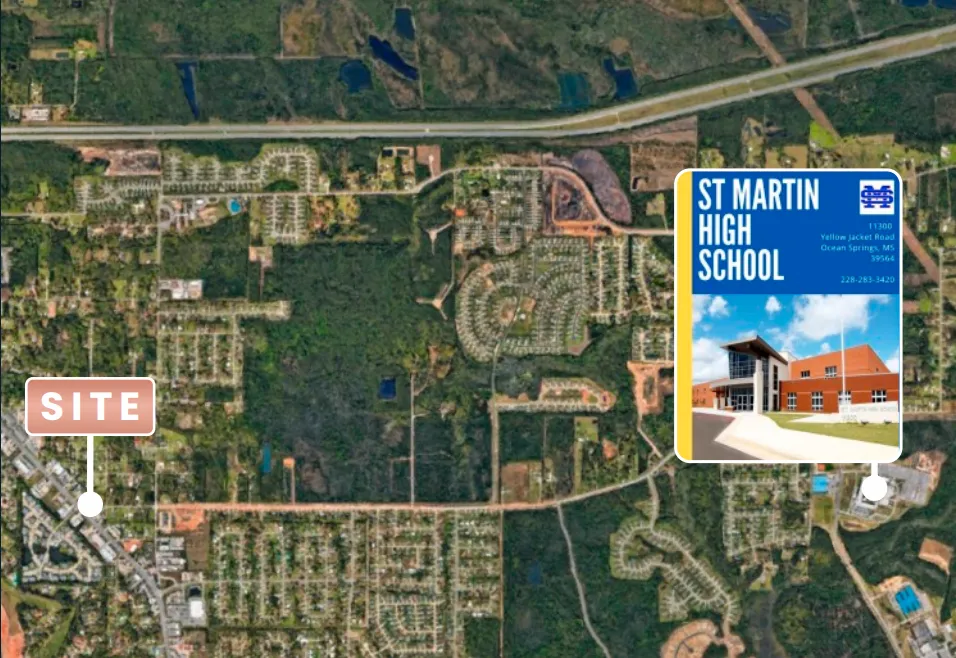
The Popps Ferry Road corridor has a traffic generator that many commercial sites simply cannot match: the entire Biloxi K–12 school campus is located within one mile of this intersection. Biloxi Elementary School, Biloxi Junior High School, and Biloxi High School — along with the athletic complexes, ball fields, and support facilities that serve them — collectively enroll thousands of students and employ hundreds of faculty and staff members.
The traffic patterns generated by a K–12 campus of this scale are both substantial and highly predictable. Morning drop-offs begin early and create a sustained traffic peak that drives impulse-stop business for coffee, breakfast, and convenience purchases. Afternoon pick-ups create a second peak with families and caregivers who are primed to stop for errands, snacks, and service appointments. Evening athletic events, school performances, parent meetings, and community activities extend the school’s traffic generation well into the evening hours on weekdays and throughout weekends during the academic year.
For businesses that depend on consistent, recurring customer visits — quick-service restaurants, tutoring and academic services, convenience retail, personal care, and healthcare — the proximity of the Biloxi school campus is among the most valuable features this location offers. It effectively means that your business benefits from school-driven traffic for approximately nine months of the year, layered on top of the baseline Walmart adjacency and residential traffic that operate year-round.
The Building: Architecture That Commands Attention
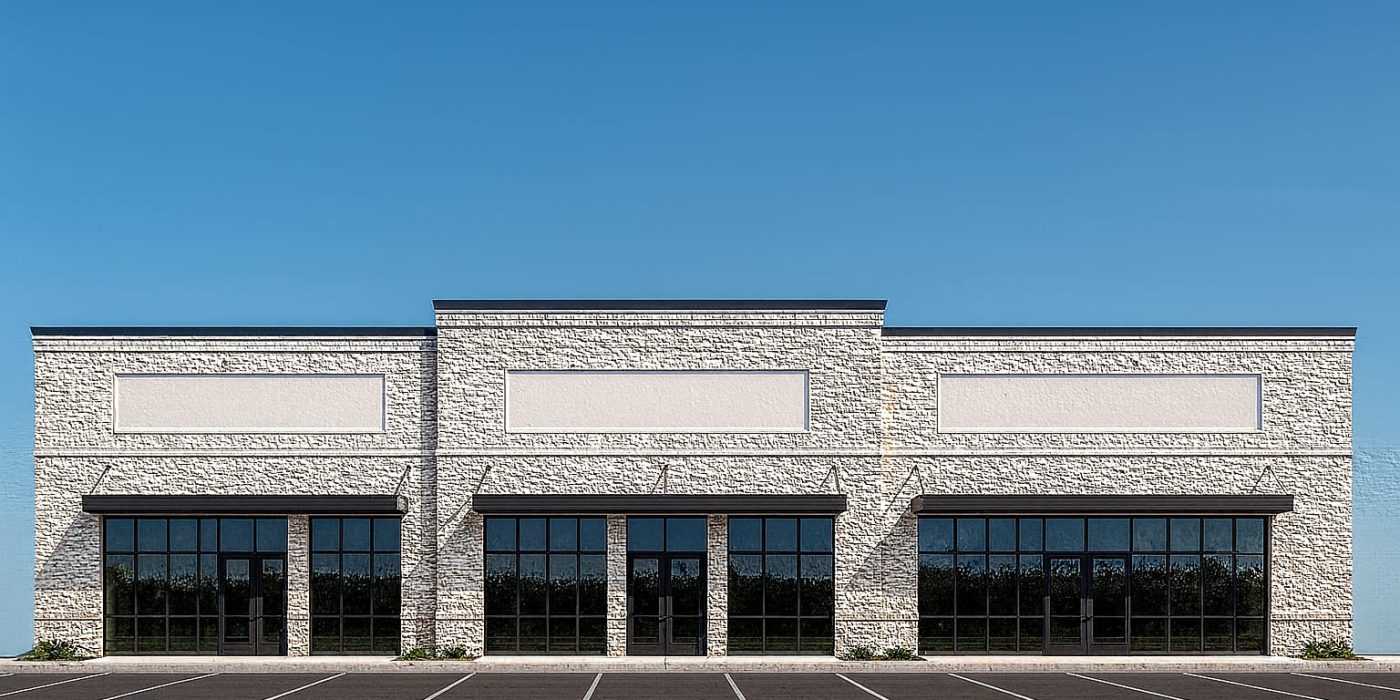
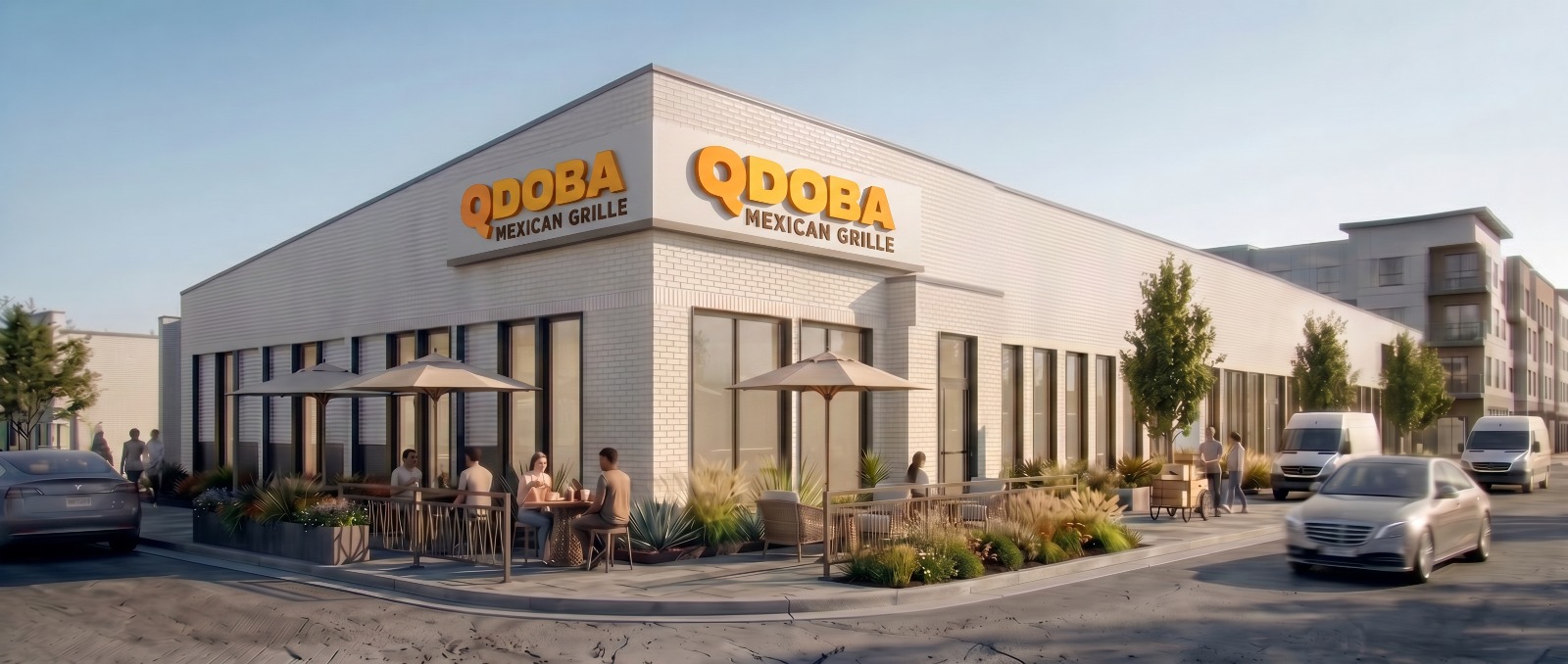
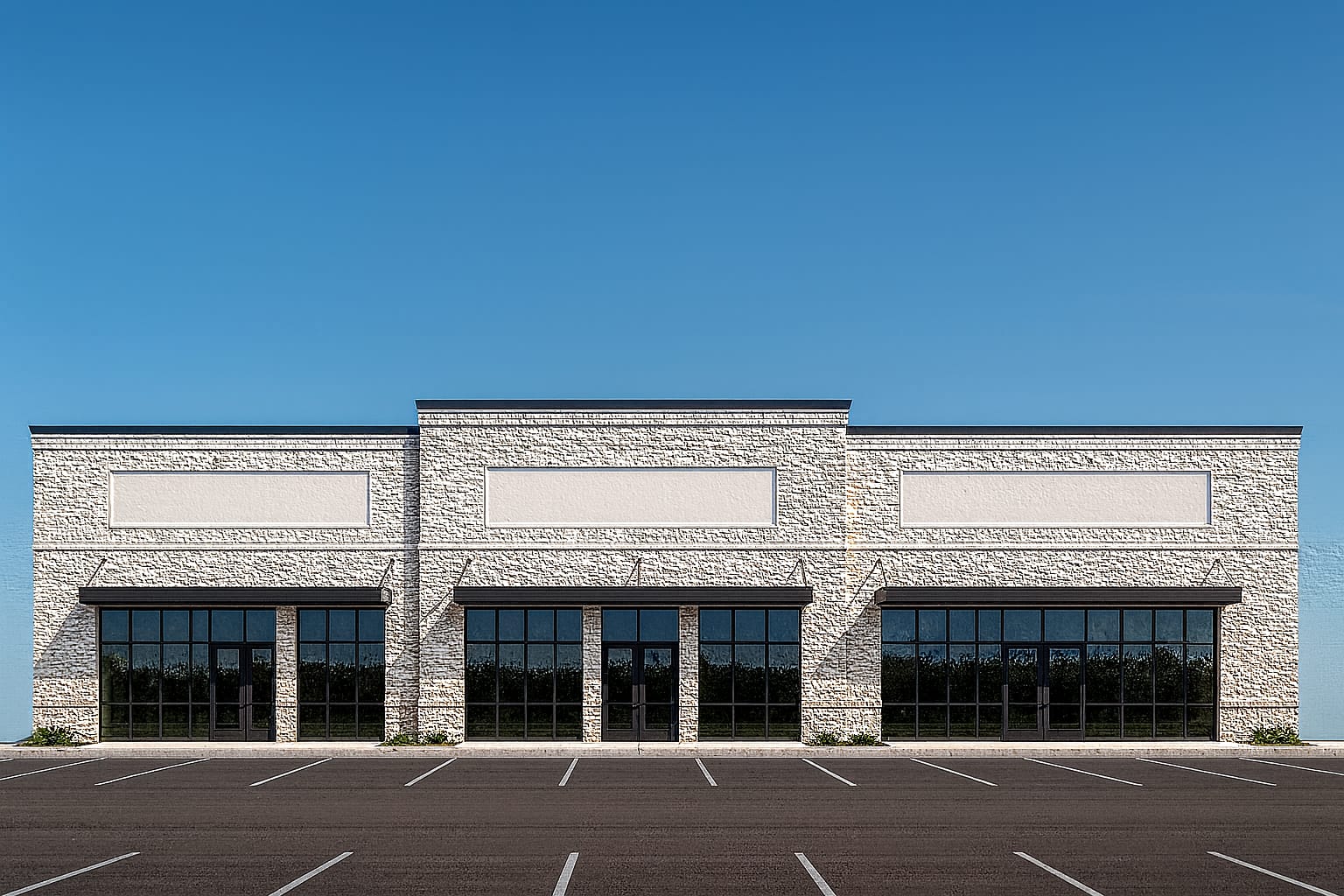
First impressions matter in retail, and the building at 1831 Popps Ferry Road is designed to make a strong one. The center features stacked-stone exterior architecture — a premium finish that communicates quality and permanence to passing consumers and prospective tenants alike. Modern storefront glass provides excellent interior visibility and natural light, creating an inviting environment for customers and a premium merchandising canvas for retail and food-and-beverage tenants.
The drive-up end cap unit is a particularly compelling feature in today’s retail environment. The pandemic permanently accelerated consumer adoption of drive-through and curbside service models, and businesses that can offer these conveniences consistently outperform those that cannot. A purpose-built drive-up end cap in a new construction building — positioned at a high-traffic, lighted intersection on a 26,000 ADT corridor — is a leasing opportunity that QSR operators, pharmacy concepts, financial services providers, and specialty food businesses will find immediately attractive.
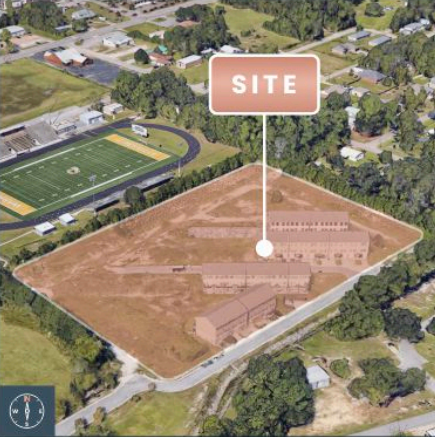
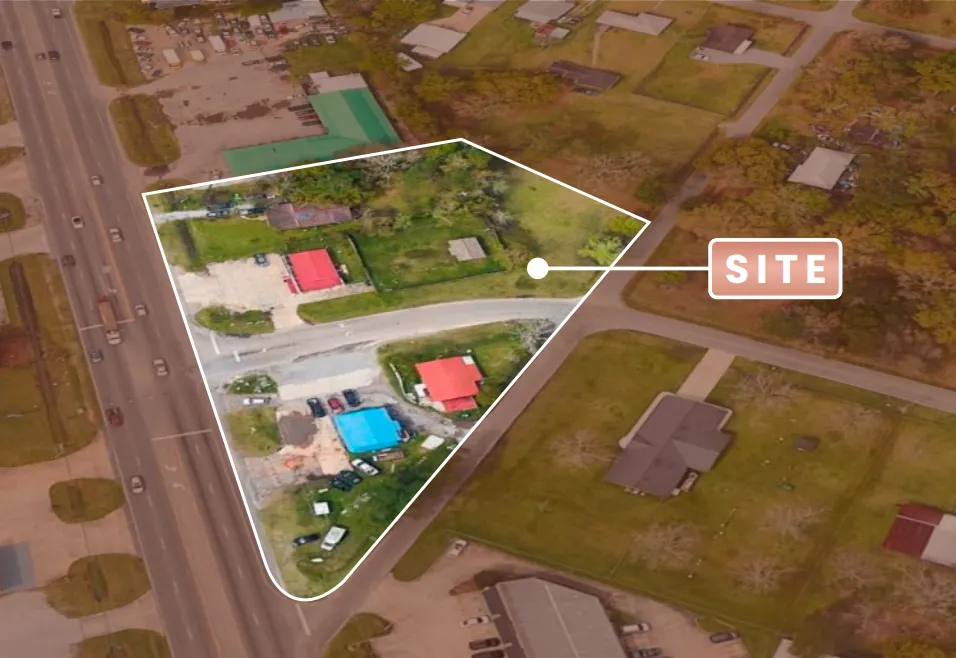
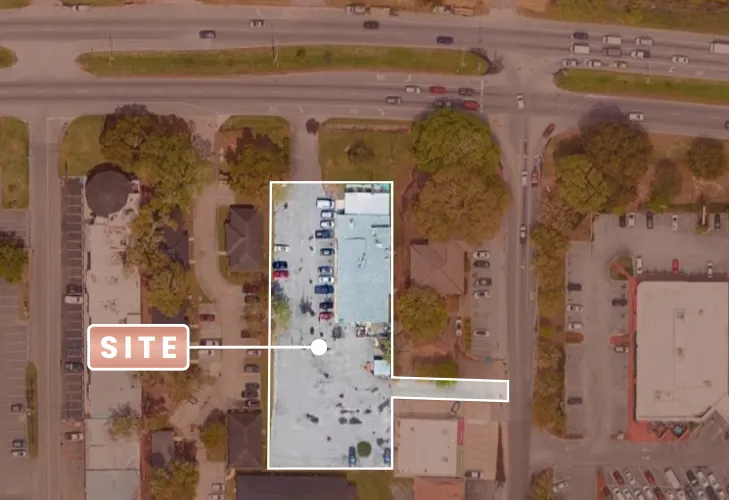
The 4,660 SF building is configured as two units on a 1.09-acre site, with generous parking and clear visibility along Popps Ferry Road. The Neighborhood Business (NB) zoning designation is well-suited to the range of users this site will attract, and the new construction delivery means that the first tenant occupying this space will have no inherited maintenance liabilities, deferred capital expenditures, or outdated infrastructure to contend with.
Multifamily Density: The Residential Foundation of Retail Success
Behind every successful neighborhood retail location is a residential base that generates consistent, recurring consumer demand. On Popps Ferry Road, that residential foundation is both large and growing. Cypress Lakes Apartment Complex is immediately adjacent to the site, with hundreds of units representing thousands of residents who are potential daily customers for any business operating at this intersection.
New multifamily development is actively underway in the immediate vicinity, with additional residential units in the pipeline. Nearby apartment communities throughout the North Biloxi corridor maintain waitlists measured in months rather than weeks — a clear signal that residential demand in this area is outpacing supply and that the consumer base supporting businesses along Popps Ferry Road will continue to grow rather than contract. Tommy Munro Medical Office Park provides additional daytime population and healthcare-adjacent consumer traffic.
Minutes from I-10: Regional Accessibility in a Neighborhood Location
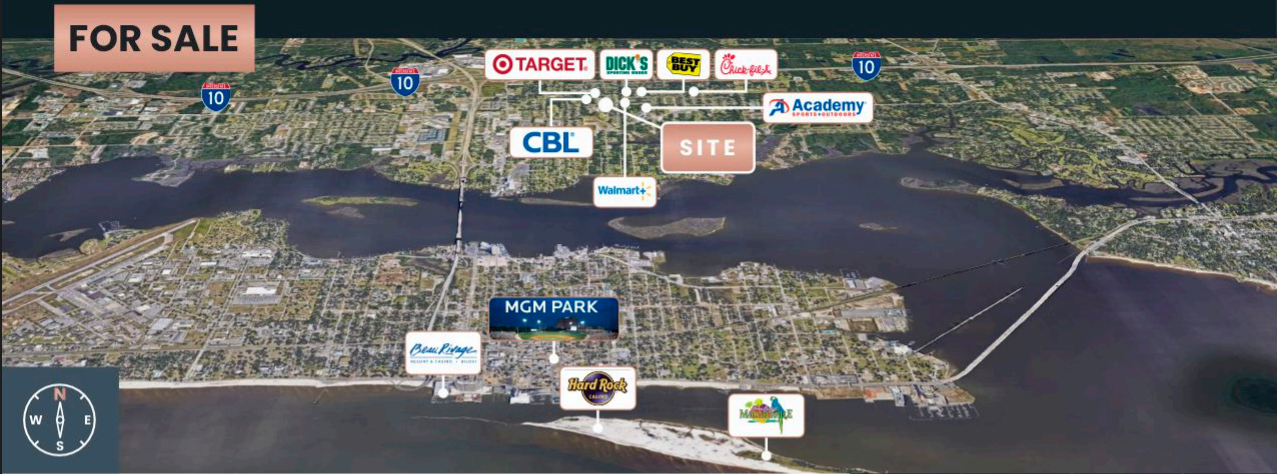
One of the most underappreciated features of the Popps Ferry Road corridor is its proximity to Interstate 10. With I-10 carrying approximately 80,000 vehicles per day just minutes from this site, the location benefits from regional accessibility that most neighborhood retail sites cannot claim. Workers commuting into D’Iberville and Biloxi pass through this corridor. Residents from surrounding communities use Popps Ferry Road as a connector route. The combination of neighborhood residential density and regional road connectivity creates a consumer catchment area that extends well beyond the immediate residential surroundings.
North Biloxi’s economy is supported by a resilient and diverse workforce — regional casino employees, healthcare workers, government and military personnel from nearby Keesler Air Force Base, and retail and service industry workers who collectively represent a stable and consistent consumer base with year-round purchasing power. This economic diversity protects businesses in this corridor from the concentrated downside risk that can affect trade areas dependent on a single industry or employer.
The Opportunity in Front of You
Brand-new construction at a lighted hard corner sharing an intersection with Walmart, within one mile of an entire K–12 school campus, surrounded by high-density multifamily, supported by Tommy Munro Medical Park, minutes from I-10, and positioned in one of the Gulf Coast’s most economically resilient submarkets. A premium stacked-stone building with modern storefront glass, a drive-up end cap, and strong visibility on a 26,000 ADT corridor.
This is the complete package for a neighborhood retail tenant seeking a proven, high-traffic, well-located position in the North Biloxi market. The space is available for lease now, and the Foundation Group expects significant tenant interest. Qualified businesses in the QSR, retail, medical, banking, personal care, and service categories are encouraged to inquire without delay.
Listing Brokers
Charles Taylor
Commercial Broker | Developer
The Foundation Group
- 228.365.7774
- charles@thefoundationgroup.biz
- thefoundationgroupcre.com