
1031 Exchange Strategies in Commercial Real Estate: Preserving Wealth While Repositioning Your Portfolio
Explore 1031 exchange commercial real estate strategies to preserve equity, defer taxes, and reposition your portfolio into better-performing assets.
For many long-time property owners, a 1031 exchange in commercial real estate is one of the most powerful tools available to preserve equity and reposition their portfolios without triggering immediate capital gains taxes.
However, the process is unforgiving. Timelines are tight, rules are strict, and 1031 replacement property selection requires discipline.
Why Consider a 1031 Exchange?
A 1031 exchange strategy can help you:
- Defer capital gains and depreciation recapture
- Consolidate several smaller assets into one larger, higher-quality property
- Diversify out of a single market or asset type
- Transition into more passive investments (e.g., NNN leases)
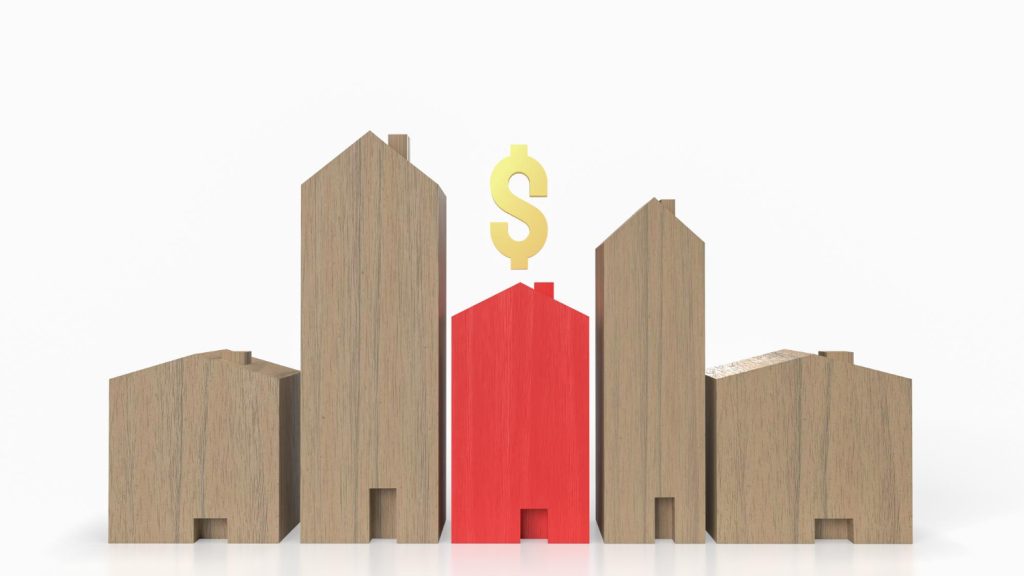
The key is to view the exchange as part of a multi-year investment plan, not just a one-off transaction.
Understanding Timelines and Rules
In a like-kind exchange for commercial property:
- You have 45 days from closing the relinquished property to identify replacement properties
- You must close on the replacement property within 180 days
- All proceeds must flow through a qualified intermediary
Because these timelines are rigid, preparation is essential. Many successful exchanges begin months before the first sale.
Building a 1031 Exchange Strategy
An experienced commercial real estate advisory team can help you:
- Evaluate your current holdings and potential sale candidates
- Model post-exchange income and value scenarios
- Identify target markets and asset types for replacement
- Build a pipeline of potential replacement properties in advance
This reduces the risk of scrambling for a deal just to “save the exchange.”
Choosing the Right Replacement Properties
Strong 1031 replacement property selection focuses on:
- Tenant credit quality and lease structure
- Market health and long-term demand drivers
- Future re-tenanting or exit options
- Alignment with your risk and lifestyle preferences
For some investors, that may mean passive NNN investments; for others, stabilized strip centers or even development opportunities.
How The Foundation Group Supports 1031 Investors
The Foundation Group works with owners considering a 1031 exchange in commercial real estate to:
- Strategically time dispositions
- Source and underwrite replacement properties
- Coordinate with QIs, tax advisors, and attorneys
- Ensure each exchange supports your broader wealth and estate objectives
With the right planning, a 1031 is more than a tax tool—it is a way to reset and optimize your portfolio for the next decade.